
After 40, cardiovascular care depends on more than one annual blood-pressure reading or cholesterol number. Use a structured checklist to identify which measurements belong in routine prevention, which tests need a clinical reason, and when symptoms require urgent assessment.
Key takeaways
- Record blood pressure, resting heart rate, BMI and waist circumference.
- Repeat a high blood pressure reading using correct positioning and technique.
- Check cholesterol, glucose status and kidney health to assess cardiovascular risk.
- Choose an ECG or cardiac test only when it answers a specific clinical question.
Build Your Age-40-Plus Cardiovascular Baseline
A heart check-up after 40 should establish blood pressure, resting heart rate, weight, body-mass index, waist circumference, cholesterol, glucose status and kidney health. Review your family history of heart disease, smoking, diabetes, obesity, kidney disease and previous heart problems; these factors can shorten the interval between checks.
| Check | Repeat schedule | What changes the schedule |
|---|---|---|
| Blood pressure, pulse, weight, BMI and waist | At every routine visit; at least yearly | Repeat sooner after a high reading or with diabetes, kidney disease or obesity |
| Fasting lipid profile | Every 4–6 years if risk remains low | Test more often after abnormal results, diabetes, smoking or treatment changes |
| Glucose or HbA1c | At least every 3 years when normal | Test sooner with overweight, obesity, high blood pressure or previous borderline results |
| Kidney function | When diabetes, hypertension, kidney disease or relevant medicines apply | Repeat according to your clinician’s advice |
| Family history and risk review | At every major check-up | Report premature ASCVD in a male first-degree relative before 55 or female relative before 65 |
For blood pressure, rest quietly for five minutes, use a validated upper-arm cuff, keep your arm at heart level, then take two readings one minute apart and record the date, time and results. Repeated readings of 130/80 mmHg or higher deserve clinician discussion.
Routine ECGs and treadmill tests are not useful annual cardiovascular screening for low-risk adults without symptoms. Ask about them when symptoms or abnormal findings create a specific question; consider coronary calcium CT only when borderline or intermediate risk makes a statin decision uncertain.
Measure Blood Pressure Correctly Before Acting on a High Reading
A single high reading does not diagnose hypertension. For blood pressure after 40, measure at least annually and confirm an elevated clinic result with home blood pressure monitoring or ambulatory monitoring. This helps detect white-coat hypertension, which rises in medical settings, and masked hypertension, which appears normal in the clinic but high at home.
- Avoid caffeine, exercise and smoking for 30 minutes. Empty your bladder, sit quietly for five minutes, keep both feet flat, and support your back.
- Use a validated upper-arm cuff that fits your arm. Place it on bare skin, keep the arm supported at heart level, and do not talk during the measurement.
- Take two readings one minute apart. Record both readings, the date and time, and repeat this morning and evening for several days if your clinician requests a home series.
Arrange a clinician review when repeated readings average 130/80 mmHg or higher, or when individual readings remain elevated across different days. The ACC/AHA classification calls 130–139 systolic or 80–89 diastolic stage 1 hypertension, but treatment depends on your overall cardiovascular risk.
If the monitor shows above 180/120 mmHg, wait at least one minute and measure again. Call emergency services immediately if it remains that high with chest pain, breathlessness, weakness, confusion or vision changes. New pressure in the chest, jaw, back or arm, cold sweat, nausea or lightheadedness also requires emergency assessment.
Use Cholesterol, Diabetes and Kidney Checks to Estimate Risk
After 40, lipid, glucose, HbA1c and kidney results determine whether prevention stays routine or becomes more intensive. Your clinician combines them with blood pressure, smoking, weight, family history and previous cardiovascular disease rather than treating one result in isolation.
Ask how each finding changes your plan:
- A fasting lipid profile shows LDL cholesterol, HDL cholesterol, triglycerides and total cholesterol. For adults aged 40–75, statin decisions also include diabetes, smoking, blood pressure and estimated 10-year ASCVD risk. Chronic kidney disease, premature family history, South Asian ancestry, metabolic syndrome, inflammatory disease or persistently high triglycerides can strengthen the case for treatment.
- Diabetes screening uses fasting glucose, HbA1c screening or an oral glucose-tolerance test. Adults aged 35–70 with overweight or obesity should discuss testing. HbA1c of 5.7%–6.4% indicates prediabetes; 6.5% or higher supports diabetes, usually after confirmation. A normal result does not permanently exclude future diabetes, so repeat screening about every three years when appropriate.
- A kidney function test includes estimated glomerular filtration rate and urine albumin-to-creatinine ratio. Persistent eGFR below 60 or raised urine albumin indicates chronic kidney disease, which increases cardiovascular risk and often prompts tighter blood-pressure and lipid management.
After starting or changing a lipid-lowering medicine, recheck cholesterol in 4–12 weeks, then every 3–12 months as needed. Do not start daily aspirin solely because a test shows elevated risk; bleeding risk requires an individual decision.
Know When an ECG or Cardiac Test Answers a Real Question
A test earns its place when it answers a specific clinical question. A resting ECG after 40 is not a useful annual screening habit for every symptom-free, low-risk adult: false alarms can lead to scans and procedures, while a normal tracing does not rule out coronary plaque or a future heart attack.
| Test | Question it answers | When it is appropriate |
|---|---|---|
| Resting ECG | Is there an abnormal rhythm, conduction problem, or evidence of prior heart injury? | Palpitations, fainting, chest symptoms, breathlessness, abnormal examination, or known heart disease |
| Ambulatory monitor | Does an intermittent rhythm problem explain symptoms? | Palpitations, unexplained fainting, or dizziness not captured during a clinic ECG |
| Echocardiogram | How are the valves, chambers, pumping function, and pressures working? | Murmur, unexplained breathlessness or swelling, abnormal ECG, or suspected structural disease |
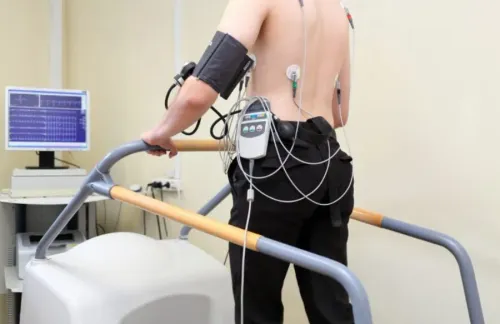
| Treadmill test | Do exertional symptoms or ECG changes suggest exercise-related ischemia? | Predictable exertional chest discomfort or an abnormal finding; not a routine annual check-up |
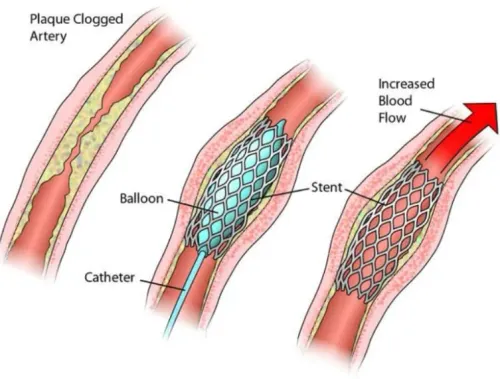
| Coronary angiogram | Where is a significant coronary narrowing, and could it require treatment? | Strong suspicion of obstructive disease, acute coronary syndrome, or concerning non-invasive test results |
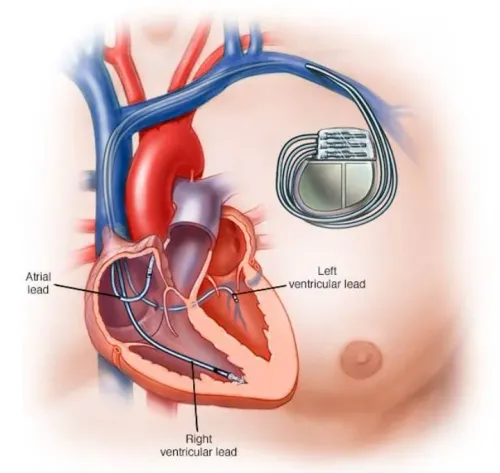
| Electrophysiology study | Which electrical pathway is causing a dangerous or treatable rhythm? | Recurrent unexplained fainting, documented arrhythmia, or planning catheter ablation |
Do not book cardiac screening tests for new pressure or discomfort in the chest, arm, back, neck, jaw, or upper abdomen. Heart attack warning signs also include shortness of breath, cold sweat, nausea, and lightheadedness; seek emergency assessment.
Use diagnostic cardiac tests through a clinician, not as substitutes for managing smoking, inactivity, weight, diet, blood pressure, cholesterol, and diabetes.
Turn the Results Into a Personal Prevention Plan
Your next step should match your total cardiovascular risk, not the most alarming isolated result. Combine the averaged blood-pressure readings, LDL and other lipid results, glucose or HbA1c, kidney function, weight, waist measurement, smoking, activity, diet, sleep, stress, and family history in an ASCVD risk assessment.
Use that discussion to build a short action plan:
- Correct reversible drivers first: stop tobacco, increase regular physical activity, improve food quality, address excess weight, limit alcohol, and treat sleep problems. Recheck progress on an agreed schedule.
- Make the statin decision from the full picture. Diabetes, smoking, hypertension, chronic kidney disease, metabolic syndrome, inflammatory disease, persistently high triglycerides, South Asian ancestry, or premature ASCVD in a first-degree relative can support treatment even when LDL does not look striking.
- Consider a coronary artery calcium scan when your estimated risk is borderline or intermediate and you remain unsure about a statin. A score of zero can support deferring treatment in selected adults, but not usually if you smoke, have diabetes, or have a strong premature family history.
- Treat aspirin primary prevention as a separate decision. At ages 40–59 with a 10-year CVD risk of at least 10%, weigh its small benefit against bleeding; do not start it routinely at 60 or older.
If symptoms or unexplained palpitations change the question, The Heart Clinic - Dr. Satyajeet - 08048066834 can help match monitoring or stress testing to that specific concern.
Related services
Holter Monitor If your heart seems to skip a beat, race, or work a bit too slow, you could have a condition known as arrhythmia. View service → |
TMT (Stress Test) TMT (Stress Test) in Aundh, Baner, Pune TMT is the abbreviation for Treadmill Test. The TMT Testing takes into account, the measurement of the blood circulation inside the body (blood... View service → |
Frequently asked questions
Which measurements belong in a cardiovascular baseline after 40?
Record blood pressure, resting heart rate, weight, body-mass index and waist circumference, then check cholesterol, glucose status and kidney health.
How should you measure blood pressure before acting on a high reading?
Repeat the reading with correct measurement technique rather than making decisions from one high result. Review repeated readings with a clinician.
Which health checks help estimate cardiovascular risk?
Cholesterol, glucose status and kidney health provide important risk information alongside family history, smoking, diabetes, obesity and previous heart problems.
When is an ECG or cardiac test useful after 40?
Use an ECG or another cardiac test when it answers a specific clinical question identified during your history, examination or risk review.
Related services
Hypertension Treatment Hypertension, or high blood pressure, is dangerous because it can lead to strokes, heart attacks, heart failure, or kidney disease. View service → |
2D Echo 2D Echocardiography or 2D Echo of heart is a test in which ultrasound technique is used to take pictures of heart. View service → |
Coronary Angiogram A coronary angiogram is a diagnostic image, which uses dye and special X-rays to show the inside of your coronary (heart) arteries. View service → |